 |
 |
 |
 |
 |
 |
 |
 |
 |
|
The EDGY Project
Team is comprised of researchers,
students,
and collaborators
from numerous institutions:
|
 |
 |
|
|
principal investigators: |
 |
|
Dr. Laura Schneider
(PI, Rutgers University, Geography) is a is a biogeographer specialized
in
land change science. She has worked in the Yucatan region since 2000,
focusing on how human-environment relations affect patterns and
processes of land-use land-cover change, linking biophysical,
socioeconomic, and remote sensing and GIS data in order to understand
landscape dynamics. Building upon research, theories, and
methods from human-environment geography, ecology, economics, remote
sensing and geographic information science, she seeks
to integrates and develops research the monitoring and
modeling of land transformation, the biogeography of plant invasions in
the tropics, and biophysical remote sensing. |
 |
|
Dr. John Rogan
(Co-PI, Clark University, Geography) is a geographer specializing in
remote
sensing, with research foci on biogeography, landscape ecology,
disturbance dynamics, and land change. He received his Ph.D.
from the joint doctoral program at San Diego
State University and the University of California, Santa Barbara where
he was funded by a research grant from NASA's Land Cover and Land Use
Change Program. |
 |
|
Dr. Birgit Schmook
(Co-PI, ECOSUR) is a geographer specilializing in tropical agriculture
and
rural development. She has conducted fieldwork across Latin
America, with research regarding land use and cover change,
migration, agricultural systems, and livelihood systems. She
received her Ph.D. from Clark University regarding the social
dimensions of land change in the Southern Yucatan and Master's and
Bachelor's degrees in agriultural science from the University of
Hohenheim, Germany |
 |
|
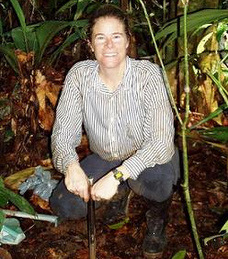
Dr. Deborah Lawrence
(Co-PI, University of Virginia, Environmental Sciences) is an ecologist
specializing on the relationship of nutrient cycling to changes in
forest composition and land use. She has conducted
conservation-oriented ecological research in the tropical forests of
northeastern Costa Rica, the Indonesian Borneo, and received a
Fulbright scholarship for research in Cameroon. Within the EDGY
project, she and her students are studying the effects of land use
change on tree structure, hydrological feedbacks, and biogeochemistry
after resilliance to hurricanes. |
|
|
postdoctoral research associates: |
 |
|
Zachary Christman
(Rutgers University, Geography) |
|
|
Megan McGroddy (University
of Virginia, Environmental Sciences), |
|
|
|
|
|
|
|
|
|
research associates: |
|
|
Mirna Canul (ECOSUR)
|
|
|
|
|
|
|
|
|
|
students: |
 |
|
Irene Zager, PhD
student, Rutgers University
"Forest
disturbance in the Calakmul-Sian Ka'an Biological Corridor, Yucatan,
Mexico: anthropogenic and natural drivers" |
 |
|
Colleen Earp, MA
student, Rutgers University |
 |
|
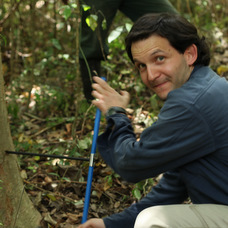
Marco Millones, PhD
candidate, Clark University
"Anthropogenic
land change, economic flows, and multi-scale sustainability: grounding
land community 'footprints' in the Mexican Yucatan" |
 |
|
Esteban Rossi, PhD
student, Clark University |
|
|
|
|
|
former students: |
 |
|
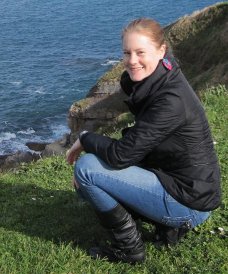
Dana Richards, undergraduate,
University of Virginia |
 |
|
Karen Vandecar, PhD,
University of Virginia
"Temporal patterns
of soil nutrient availability in a wet tropical forest, Costa Rica" |
|
|
Emeterio Chan Rivas, MA,
ECOSUR
"Hurricane Dean
and its effects on the forest sector: a case study of the Noh Bec and
Petcacab ejidos, Quintana Roo, Mexico" |
|
|
María de la Luz Isabel Hernández, MA, ECOSUR
"Relative
abundance of felines in the area affected by Hurricane Dean in Quintana
Roo" |
|
|
Griselda Venegas Hernández, MA,
ECOSUR
|
|
|
|
|
|
former associates |
 |
|
Alejandro Aragón, ECOSUR |
|
|
|
|
|
|
|
| All
content ©2010 by the EDGY Project, participating institutions and/or
individuals. Please contact us for permission for use or
distribution rights. |
|
|
|
|
|
|
|